March 3, 2026
Water is more than a basic necessity; it’s the heartbeat of our homes, farms, and communities. Every shower we take, every plant we water, and every meal we prepare relies on a steady, clean supply. When a private well is involved, the quality and consistency of your water depend heavily on the process that brings it to your tap: water well drilling. This process isn’t just about digging a hole in the ground; it involves careful planning, understanding the local geology, and ensuring long-term reliability. Whether you’re new to private wells or simply want to understand the process better, here are five essential facts that can help you appreciate what goes into a functioning water system, and why each step matters for your everyday life.
1. Understanding the Fundamentals of Well Systems
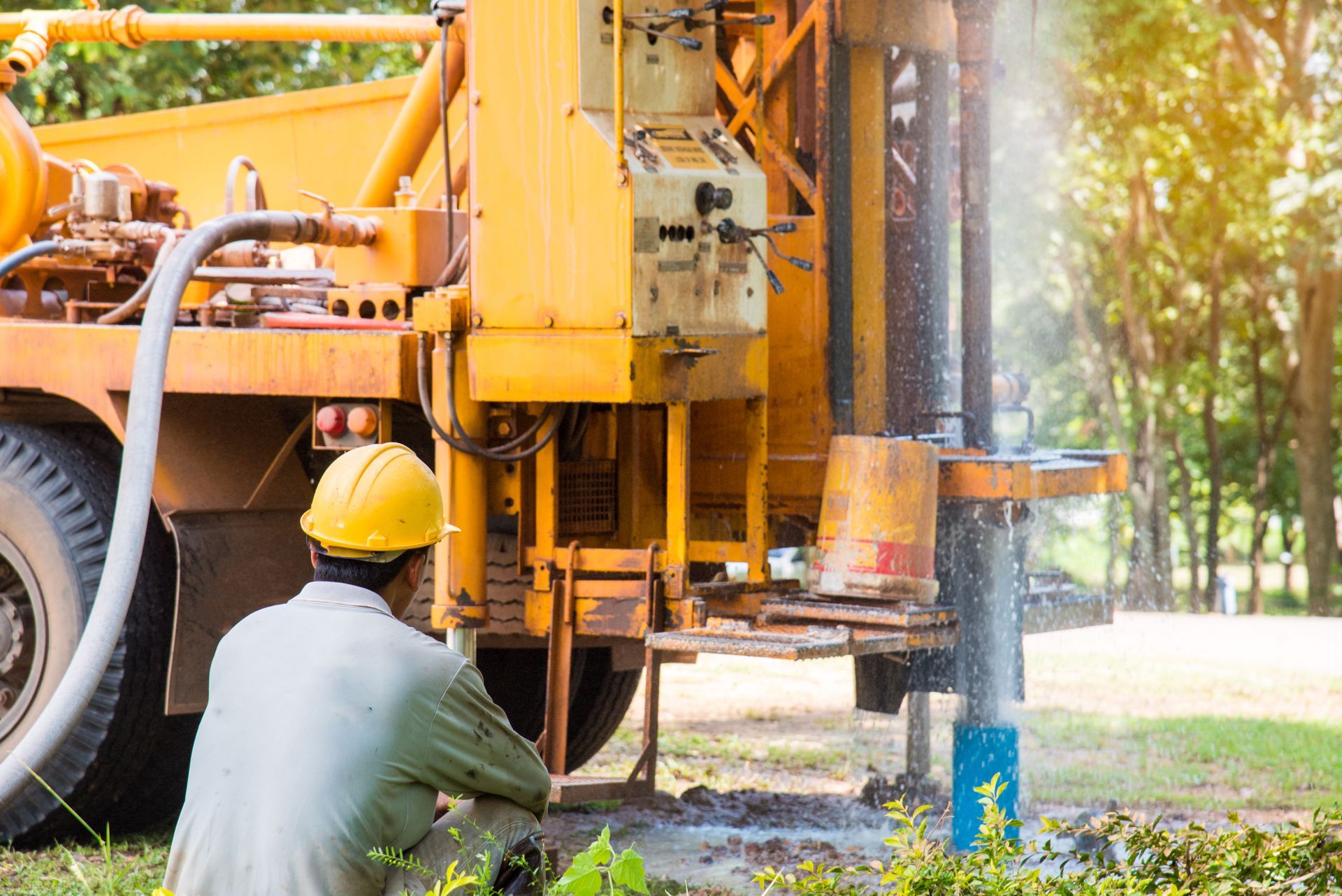
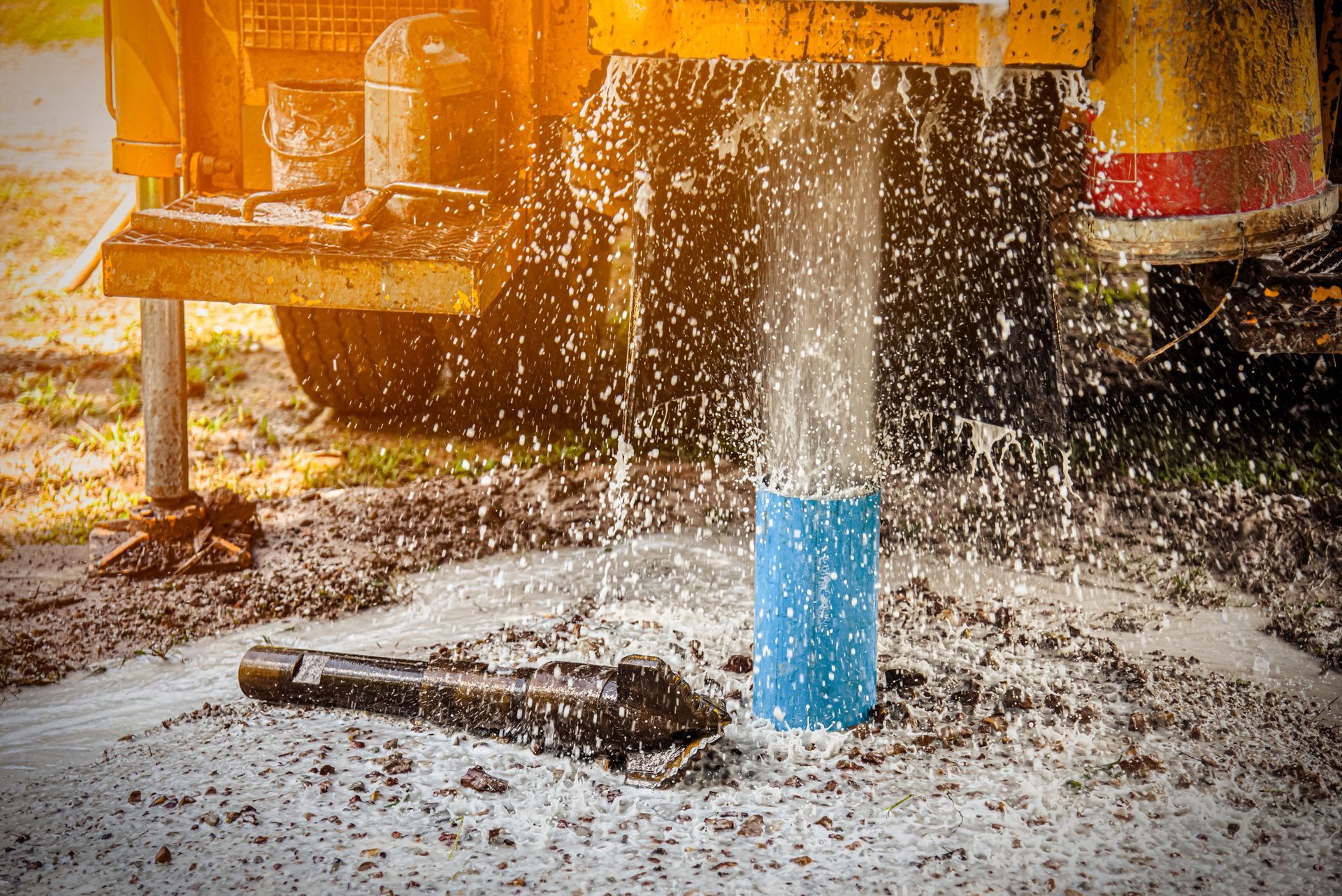
Well drilling is a process that requires skill, precision, and careful planning. Unlike city water systems, which deliver water through a vast network of pipes, private wells tap directly into underground aquifers. This means the initial drilling must reach the right depth, navigate different soil and rock layers, and ensure a stable and clean water supply.
A well drilled correctly can last for decades with proper maintenance, providing safe water for drinking, irrigation, and household use. The drilling process involves more than just boring a hole; it requires understanding the geology of the area, the potential water yield, and long-term sustainability. Professionals who specialize in water well drilling know how to select the appropriate drill type, casing, and well depth to meet these needs. They also consider seasonal water level changes and local environmental factors, ensuring that the well continues to provide a reliable water source year after year.
It’s a complex process, but once completed, the result is a reliable water source that feels seamless in everyday life, whether you’re filling your morning coffee cup or watering the garden. Every step is planned carefully to avoid contamination and to maximize efficiency, ensuring the water you depend on flows steadily and safely, giving homeowners peace of mind and long-term reliability.
2. Identifying Key Components of a Well System
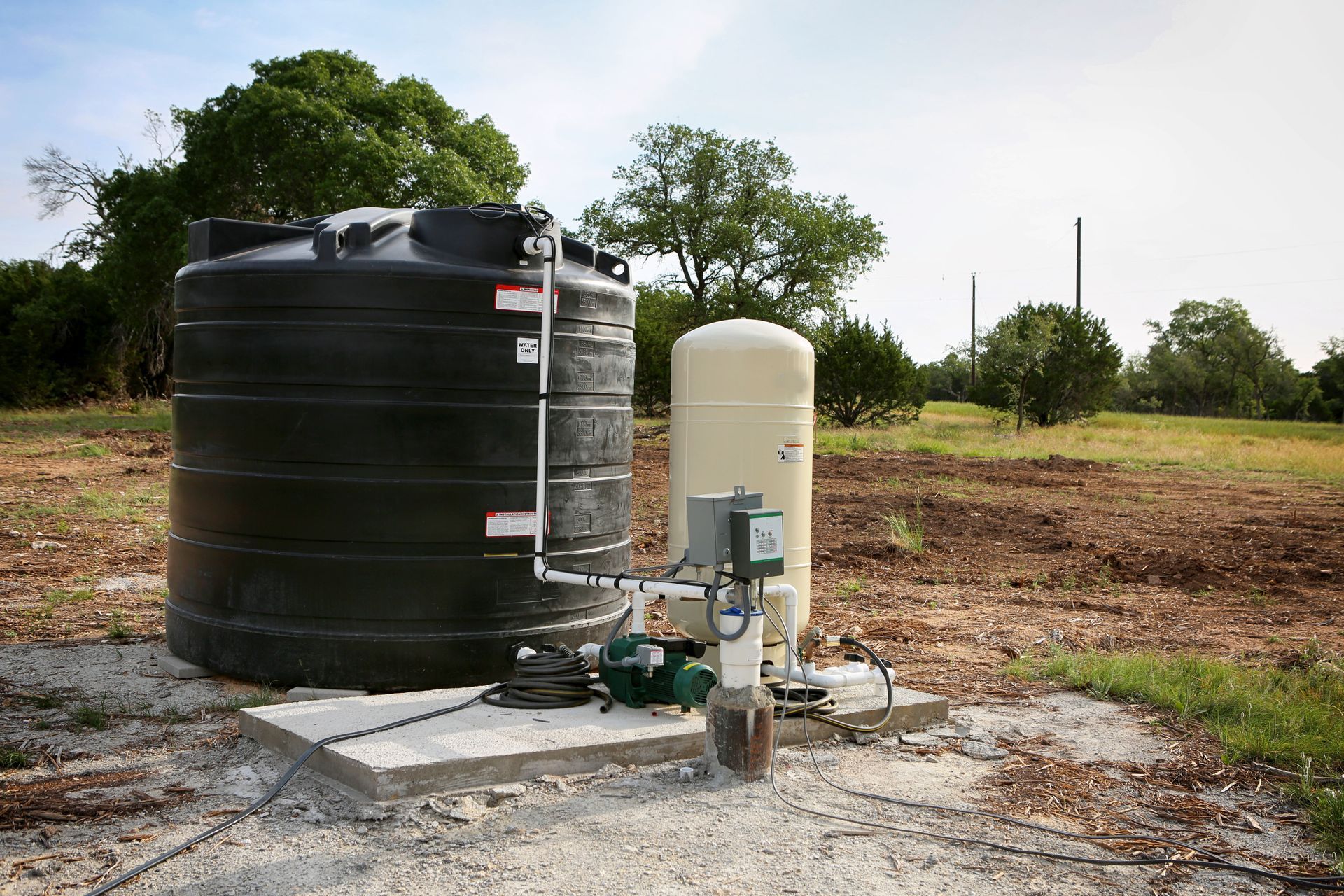
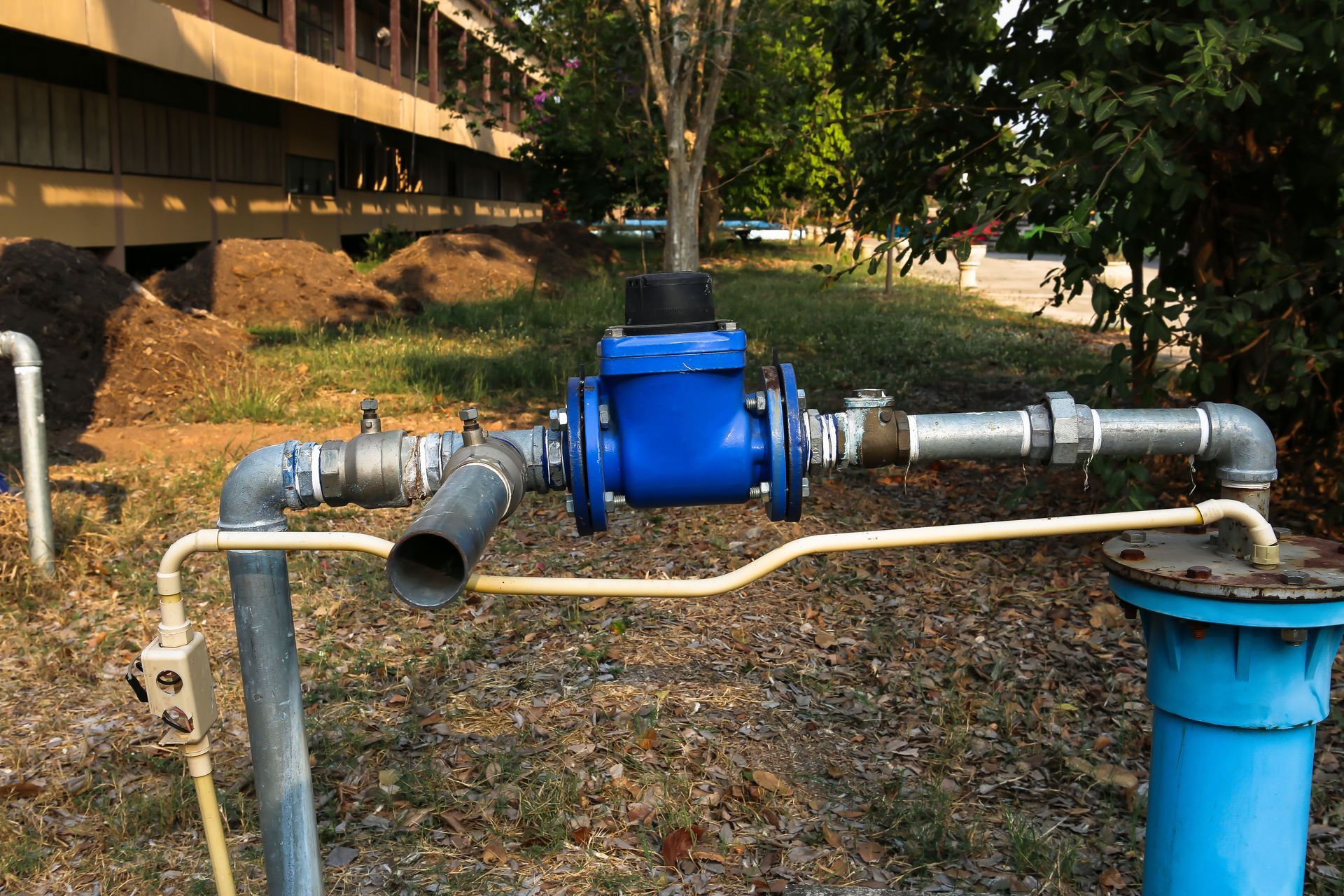
After the well is drilled, the system includes several crucial components that work together to deliver water. These include the casing, which supports the well walls and prevents debris from entering; the well screen, which filters out sediments; and the pump, which moves water from the aquifer into your home.
Each component is designed to last for many years, but proper installation during the drilling phase is critical. Even minor mistakes can lead to operational issues, like low water pressure or sediment buildup, which can be frustrating and costly to fix. Understanding the basics of how these parts work together helps homeowners appreciate why hiring knowledgeable professionals for well drilling is so important.
Regular maintenance of these components can extend their lifespan significantly. For instance, monitoring water levels, checking pump efficiency, and inspecting casing integrity can prevent major problems down the line. Water well drilling doesn’t stop at making a hole in the ground — it’s about building a complete system that functions smoothly year after year.
3. Exploring the Environmental Considerations
Water well drilling isn’t just about reaching water; it’s also about doing so responsibly. Drilling can impact the surrounding environment if not managed properly. Professionals take care to minimize disruptions to nearby ecosystems and ensure that the aquifer remains sustainable. This includes carefully planning the drilling location, using techniques that reduce noise and soil disturbance, and monitoring the area for any unintended effects during the process.
Environmental considerations also include water quality protection. Contaminants from the surface or neighboring properties can compromise well water, so proper sealing, filtration, and careful site selection are critical. Many drilling services use modern techniques and equipment designed to reduce environmental footprints and prevent contamination, demonstrating that efficiency and responsibility go hand in hand. They also follow best practices for handling drilling fluids and waste materials to prevent long-term environmental harm.
Taking environmental factors seriously benefits not only your property but the community at large. Clean, consistent water is essential for everyone, and well drilling is an integral part of maintaining that balance. By respecting natural resources and carefully managing the drilling process, professionals ensure that wells provide safe water today and remain sustainable for future generations.
4. Recognizing the Economic Impact of the Industry
Water drilling isn’t just a service; it’s a growing industry. According to IBISWorld, industry revenue of water well drilling services has grown at a compound annual growth rate of 3.1% over the past five years, reaching an estimated 10.3 billion dollars in 2025. This growth reflects the increasing demand for private wells, whether in rural homes, agricultural properties, or commercial operations.
Beyond industry growth, investing in a private well can provide long-term economic benefits for homeowners. Once a well is established, water costs are generally lower than relying solely on municipal water, and a private well can increase property value. With the industry expanding, homeowners also have access to advanced resources, expertise, and technology to ensure their water systems perform reliably.
This essential service extends beyond local needs, forming part of a larger network of professionals and innovations dedicated to ensuring access to clean water. As methods, equipment, and standards continue to evolve, the process becomes increasingly efficient and dependable for homeowners and communities alike.
5. Appreciating Safety and Regulatory Standards
Safety and compliance are key elements in water well drilling. Proper drilling protects not only the homeowner but also public health by preventing contamination and ensuring that water is safe to consume. Regulations vary by state, but they generally cover well placement, construction, and testing to ensure standards are met.
Professionals in the field follow strict guidelines to guarantee the water supply remains uncontaminated. They test for bacteria, minerals, and other potential hazards before the well is put into full use. In addition, adherence to safety protocols during drilling prevents accidents and minimizes risk for the crew and property.
By understanding the regulatory landscape, homeowners can feel reassured that their water supply is protected and that the well complies with all local requirements. This combination of safety and oversight is one of the reasons well drilling has become a trusted method for reliable water access.
It’s important to remember that well drilling for water is not just a one-time task — it’s an investment in your home’s future. Regular inspections, water testing, and maintenance of pumps and components help ensure that your well continues to provide safe, clean water for years to come.
Keeping an eye on water quality and system efficiency allows homeowners to catch small issues before they become major problems. A properly drilled water well system can last for decades, serving as a dependable resource for your family and property. Choosing professional well-drilling services ensures that your investment is protected from the start and maintained over time.
Water well drilling is an essential process that combines technical expertise, environmental responsibility, and long-term planning. Understanding the basics, recognizing key components, appreciating environmental considerations, acknowledging economic impacts, and following safety standards all contribute to a well-functioning water system. With knowledge and careful planning, private wells can be a reliable source of water for households, farms, and businesses alike.
When it’s time to ensure your water supply is secure, consider reaching out to Okie Water Well Drilling and Services for professional guidance and support.