March 2, 2026
Water is more than just something we drink — it shapes the way we live. For homeowners considering a private well, the decision goes beyond digging a hole. It’s about securing a consistent, clean water supply for your family, your garden, and even your peace of mind. Engaging with professionals, like well installing companies, ensures the process is done safely and efficiently. Before committing to any project, it’s wise to pause and reflect on a few key questions. These questions not only clarify your options but also help you make a decision you’ll feel confident about for years to come.
1. Understand Your Property’s Water Potential
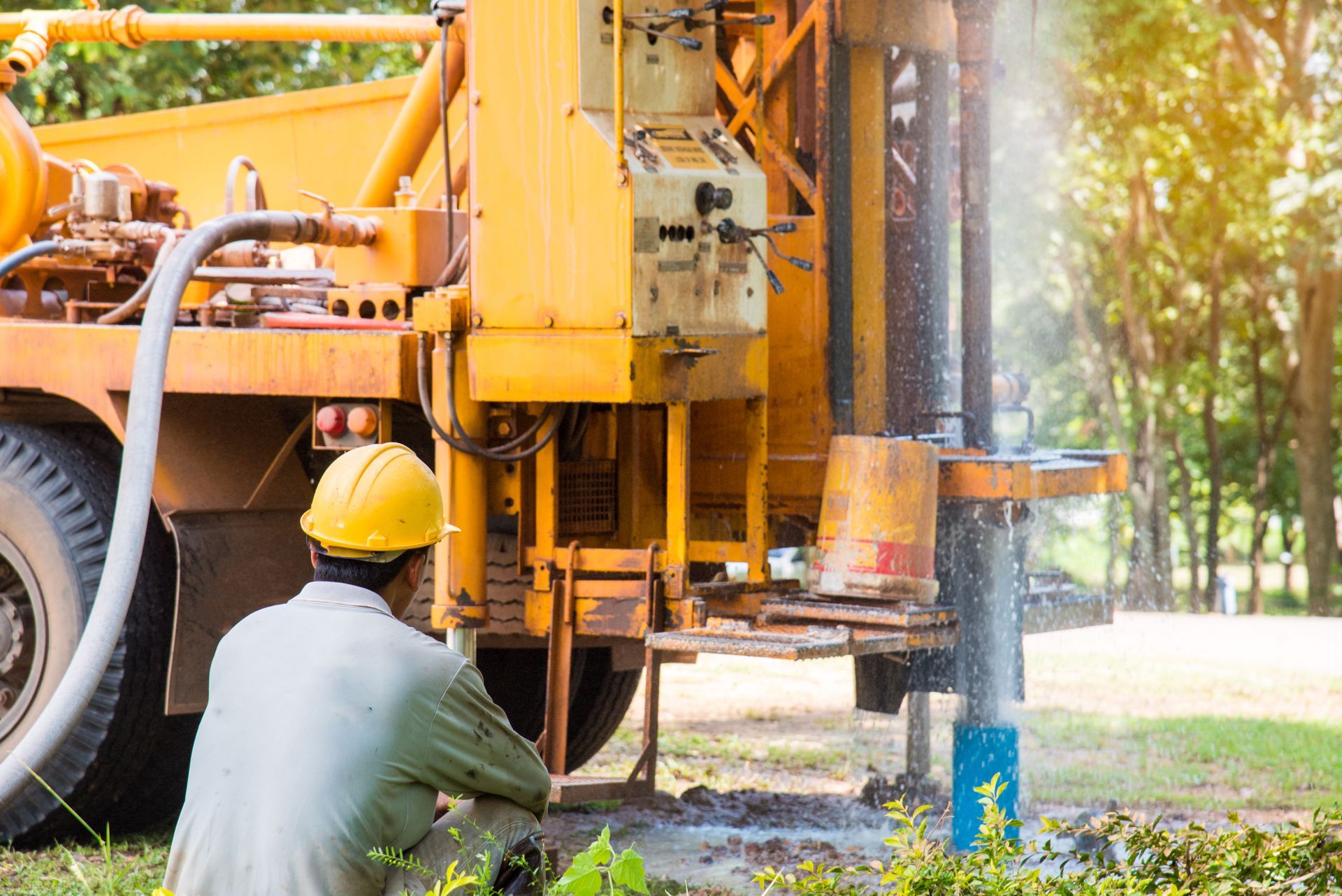
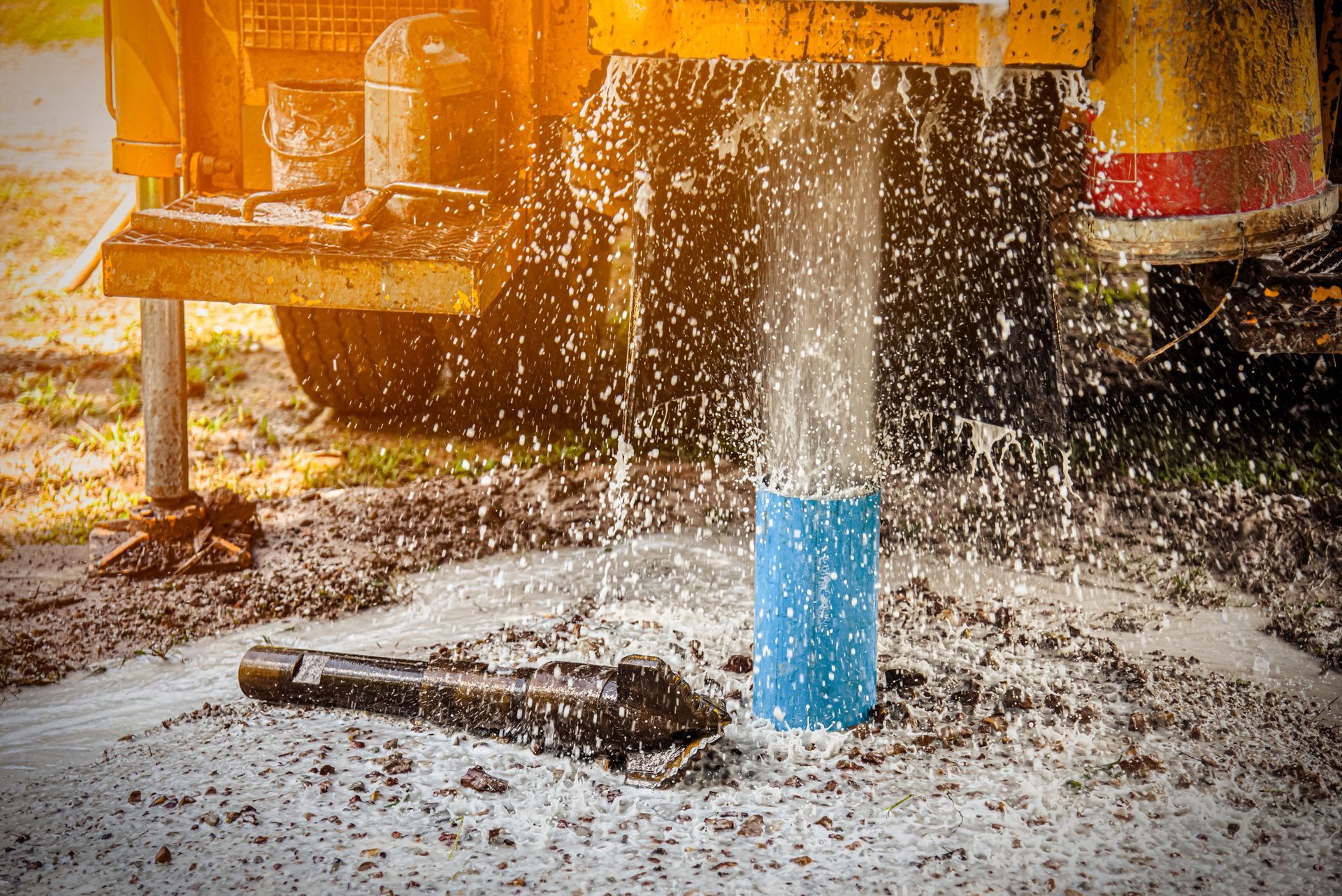
The first thing you’ll want to know is whether your land can support a well. Soil type, terrain, and underground rock formations all play a role in water accessibility. Well installing companies often start with a site assessment to determine the most promising locations and depths. Asking about the expected yield and how seasonal changes may affect your water table can prevent surprises down the road.
Some homeowners are surprised to learn that even properties that look “dry” on the surface may have abundant groundwater, while others with seemingly rich soil may face challenges. It’s not always easy to predict. Professionals can conduct test drilling or examine historical data about wells in the area to provide insights. The goal is to know your property’s limits so you can plan accordingly. After all, it’s better to ask questions now than to deal with issues after investing time and money.
2. Clarify Water Quality Expectations
Water isn’t just about quantity — it’s about quality too. You’ll want to discuss what minerals, sediments, or natural contaminants might exist in your area. Well installing companies usually test water samples during initial assessments, giving you a baseline understanding. According to Bankrate, households with wells should have their water tested once a year.
Understanding water quality helps you determine if you need filtration or treatment systems and what ongoing care will look like. It also informs daily use; hard water might affect plumbing fixtures and laundry, while naturally occurring minerals may require monitoring to maintain taste and safety. Discussing these points openly with the professionals ensures your water is not only plentiful but also suitable for drinking, cooking, and bathing.
3. Explore Long-Term Maintenance Needs
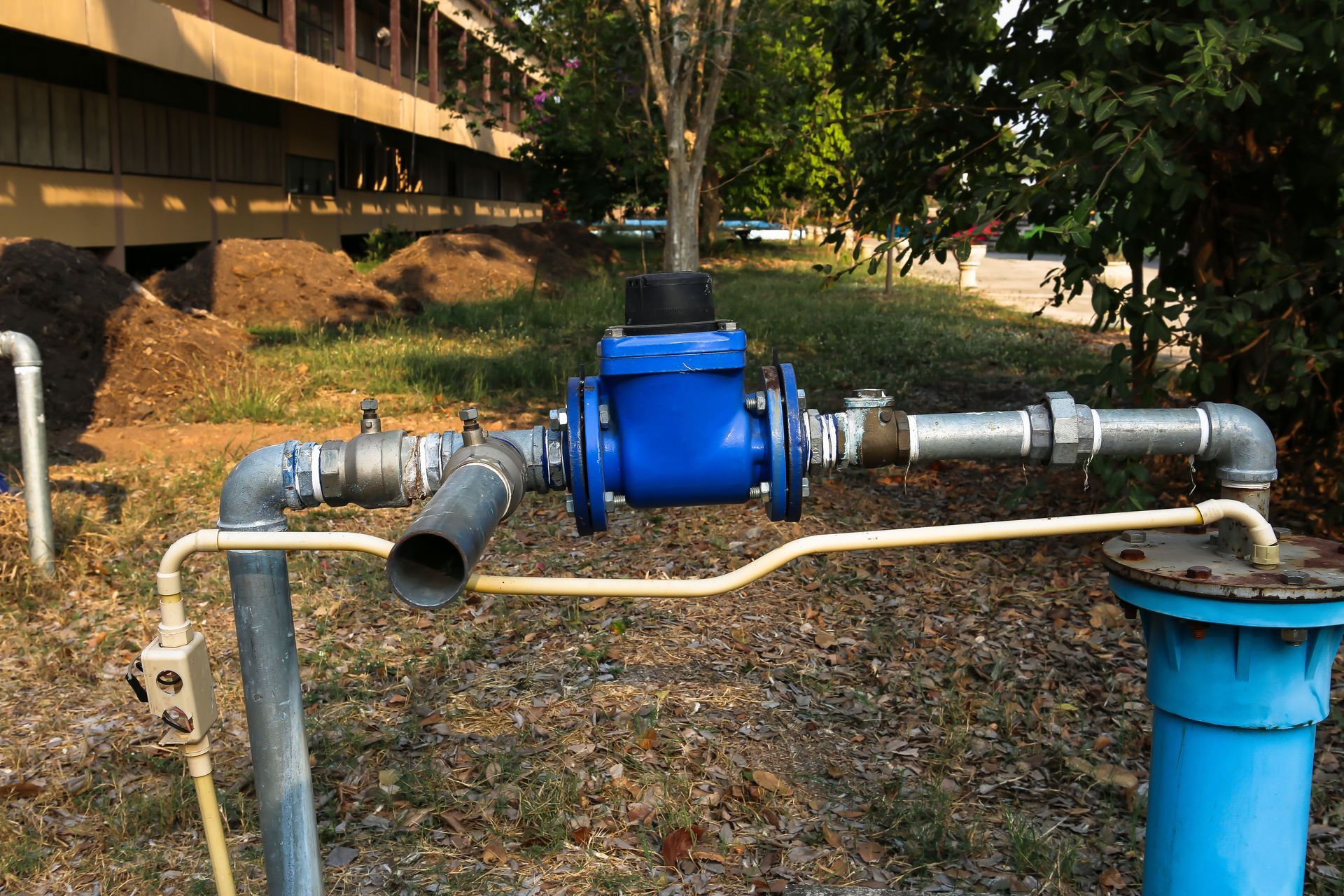
Owning a well is an ongoing commitment. It’s not just about installation; it’s about ensuring the system functions properly for years. Ask well installing companies about routine maintenance schedules, pump care, and any seasonal procedures that could protect your investment.
For example, pumps often need regular inspections to prevent damage from sediment buildup or wear on mechanical components. Seasonal changes, such as freezing temperatures in winter, may require special precautions to avoid costly repairs. A clear understanding of maintenance expectations can make a huge difference in both longevity and peace of mind. It also helps families plan time and resources more effectively, turning what might seem like a daunting task into a manageable routine.
4. Determine Costs and Payment Options
Water well installation can involve high upfront costs, so it’s smart to get a clear picture early. Discuss the full scope of potential expenses, from drilling and equipment to permits, inspections, and any necessary site preparation. Some well installing companies may offer phased payment plans or financing options to make the process more manageable.
It’s also helpful to ask about potential hidden costs, like additional piping, electrical work, or land restoration after drilling, as well as potential ongoing fees. Knowing the full financial picture prevents unexpected bills and makes it easier to plan for future maintenance. Many homeowners find that understanding costs upfront reduces stress and makes the project feel achievable rather than overwhelming.
5. Review Legal and Regulatory Requirements
Wells are subject to local, state, and federal regulations. Before drilling, ask about permits, setback requirements, and any water rights issues that could apply to your property. Well installing companies are usually familiar with the local codes and can guide you through the process.
Ignoring regulations can lead to fines, forced modifications, or even the need to abandon a well entirely. Asking questions early helps ensure your well complies with all legal requirements and that your property maintains its value. It’s also a chance to discuss liability and responsibility for water quality, which can be an important consideration for families with children or pets.
6. Discuss Equipment and Technology Choices
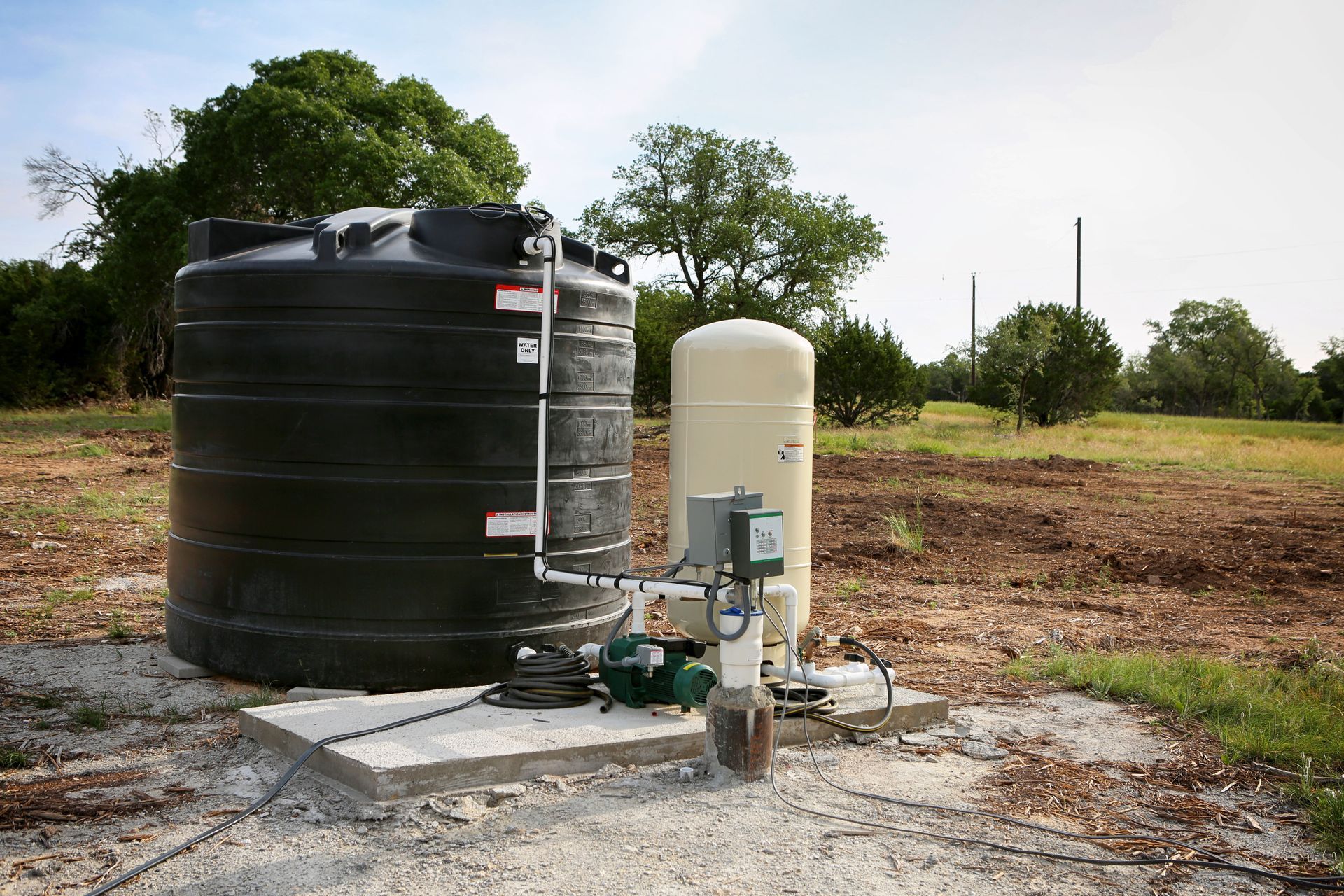
Not all wells are created equal, and the right technology can make a big difference in performance and longevity. Ask about pump types, storage options, and filtration systems. Companies can explain the pros and cons of different setups based on your water quality and household needs.
For instance, some pumps are better suited for high-volume needs, while others are ideal for lower-flow applications. Storage tanks can prevent interruptions in water supply during peak usage, and filtration systems can address specific water quality concerns. Discussing these details ensures your well functions efficiently while meeting your household’s unique needs. It also opens a conversation about energy use and sustainability, which many homeowners find important today.
7. Understand Environmental Impacts
Water is a precious resource, and drilling a well has consequences for the surrounding environment. Ask well installing companies about best practices for minimizing disruption to nearby ecosystems and water tables.
Professionals may recommend strategies for protecting soil and vegetation, avoiding erosion, or limiting water table interference. These precautions not only preserve the local environment but also help maintain your well’s long-term performance. For example, over-extraction of groundwater could affect nearby ponds, streams, or neighboring wells, so understanding environmental factors is a smart step for both safety and sustainability.
8. Plan for Emergencies and Contingencies
Even with careful planning, unexpected challenges can arise. Ask how the well system handles sudden changes, like pump failures or seasonal fluctuations in water levels. Companies often have strategies for troubleshooting or temporary solutions that keep your household running smoothly.
Knowing what to do in an emergency can save you stress and downtime. Some companies offer service contracts or emergency response plans, ensuring a rapid solution if something goes wrong. Discussing these scenarios ahead of time allows you to be proactive instead of reactive, which can make a world of difference when water is essential for daily life.
9. Evaluate Service and Support Options
Finally, ask about ongoing support. Will the company provide follow-up inspections or troubleshooting guidance? What’s their availability in case you encounter an issue? Well installing companies with clear communication channels and dependable service can make a world of difference in keeping your well running efficiently.
Support may include annual inspections, pump servicing, or seasonal checks to ensure everything continues to function as expected. Knowing what kind of support you can rely on turns a one-time installation into a long-term partnership, giving peace of mind long after the well is up and running.
Installing a well is a significant decision, but taking the time to ask the right questions ensures your household has reliable, safe water for years to come. From assessing your property’s potential to understanding maintenance, equipment, and environmental considerations, these questions provide a roadmap for a smooth, informed process. Working closely with professionals helps you avoid pitfalls and creates a system that truly meets your needs.
When you’re ready to begin, reach out to Okie Water Well Drilling and Services for expert guidance and personalized solutions.