May 20, 2026
Securing a clean and reliable source of water is a fundamental requirement for rural living and agricultural success. While many homeowners take for granted the simple act of turning on a faucet, the infrastructure hidden beneath the earth is a product of intense engineering and strict adherence to legal frameworks. The process of accessing groundwater is not merely about digging a hole; it is a sophisticated operation performed by well installers that balances environmental protection with public health safety.
Understanding how well installers navigate these hurdles is essential for any property owner. These professionals act as the bridge between raw natural resources and safe domestic consumption. They must possess a deep knowledge of geology, hydrology, and legal statutes. By following rigorous protocols, they ensure that the water pulled from the aquifer remains untainted and that the surrounding environment is not negatively impacted by the construction process. This article explores the multifaceted approach used by experts to maintain the highest standards of quality and compliance.
Investigating Subsurface Geological Conditions
Before any equipment arrives on a site, professionals must conduct a thorough investigation of the land. This initial phase involves studying geological maps and historical records to understand what lies beneath the topsoil. Identifying the types of rock and soil layers is crucial because different formations require unique drilling techniques. By understanding the underground landscape, workers can predict the depth required to reach a sustainable aquifer.
Site assessments also include identifying potential sources of contamination. Experts look for nearby septic systems, chemical storage areas, and livestock enclosures. Maintaining a safe distance from these hazards is a core requirement of local health codes. Without this preliminary research, a project could inadvertently tap into a polluted water source, leading to significant health risks and legal liabilities for the property owner.
Obtaining Necessary Permits and Clearances
Navigating the bureaucratic landscape is a significant part of the job for modern well installers. Most jurisdictions require specific permits before a single inch of earth is moved. These documents serve as a formal notification to local authorities that a new water source is being established. The application process often requires detailed site plans showing the proposed location of the shaft in relation to property lines and existing structures.
Securing these permits ensures that the project is tracked by the state, which helps manage overall groundwater usage. It also provides a layer of protection for the homeowner, as it confirms that the planned construction meets the minimum safety criteria set by regional experts. Professionals take the lead in this process, handling the paperwork and communications with government offices to streamline the timeline for the client.
Selecting Appropriate Construction Methods
The choice of drilling or digging method is heavily influenced by the specific needs of the property and the constraints of the law. According to the U.S. Environmental Protection Agency, dug wells have a large diameter, are shallow (approximately 10 to 30 feet deep), and are not cased continuously. While these types of sources were common in the past, modern standards often favor deeper, drilled options that provide better protection against surface contaminants. Professionals evaluate the pros and cons of various techniques to determine which approach will provide the most consistent water flow.
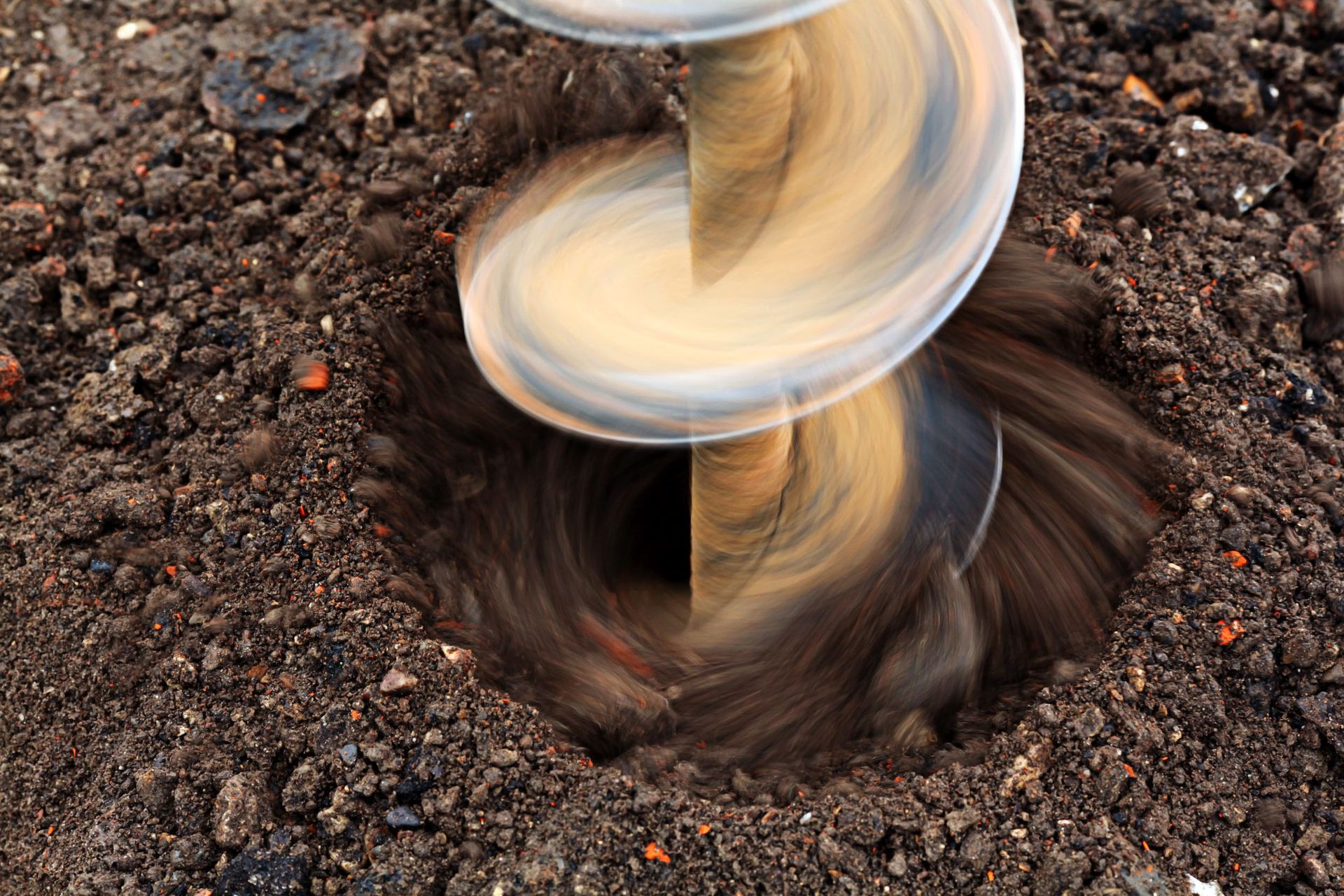
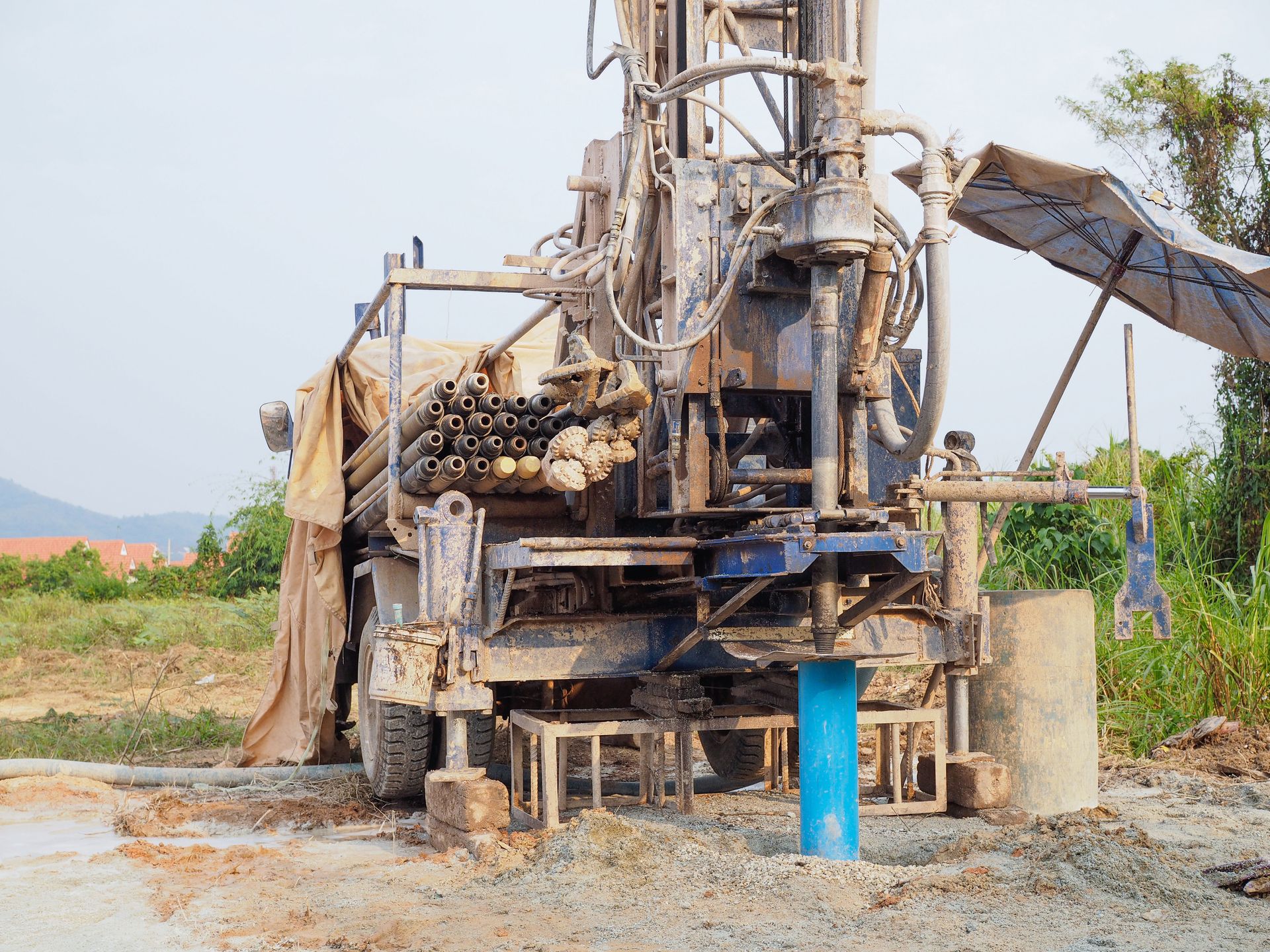
Different methods require specialized machinery. For example, rotary drilling is often used for deep penetrations through hard rock, while cable tool drilling might be chosen for specific soil conditions. Regardless of the method, the goal is always to create a stable and secure path for water to travel from the earth to the surface. The following factors influence the chosen method:
- The expected depth of the water table.
- The presence of boulders or solid bedrock.
- The proximity of neighboring properties and their existing systems.
- The specific volume of water required for the household or farm.
Implementing Rigorous Casing and Grouting Protocols
One of the most critical steps in protecting water quality is the installation of the casing and the application of grout. The casing is a structural pipe that prevents the walls of the hole from collapsing and keeps out debris. Local regulations typically dictate the material and thickness of this casing to ensure longevity and safety. Professionals must be meticulous when joining these pipe sections to prevent any leaks that could allow surface runoff to seep into the supply.
Grouting is the process of filling the space between the casing and the surrounding earth with a specialized sealing material, such as bentonite or cement. This seal is vital because it prevents contaminants from traveling down the outside of the pipe into the aquifer. Well installers follow strict guidelines regarding the depth and volume of grout used, as a faulty seal is one of the primary causes of bacterial contamination in private water systems.
Testing Water Quality and System Performance
Once the physical structure is complete, the focus shifts to the quality of the product being delivered. Professional well installers do not consider a job finished until the water has been thoroughly tested. This involves pumping the system for a set period to ensure the flow rate is sustainable and then taking samples for laboratory analysis. These tests check for various substances, including bacteria, nitrates, and minerals that could affect the taste or safety of the water.
Meeting local health standards often requires specific documentation of these test results. If the initial samples show any issues, the technicians must diagnose the cause and implement solutions, such as further disinfection or the installation of filtration systems. Providing the homeowner with a clean bill of health for their water source is a non-negotiable part of the professional standard. Key testing categories include:
- Total coliform and E. coli presence.
- Nitrate and nitrite levels from agricultural runoff.
- Lead, arsenic, or other naturally occurring heavy metals.
- pH levels and hardness that could damage plumbing fixtures.
Documenting Records for Future Maintenance
The final step in a compliant installation is the creation of a detailed log. This document is a comprehensive record of the entire project, including the materials used, the depths of various geological layers encountered, and the final dimensions of the system. Well installers submit these logs to state or local agencies, where they become part of the public record. This transparency is essential for managing the regional water supply and helping future technicians if repairs are ever needed.
For the homeowner, this record serves as a roadmap for their water system. It includes information on the pump model, the depth at which it was set, and the specific results of the yield test. Having this information on hand makes routine maintenance much simpler and ensures that any future upgrades can be planned with precision. It is the final piece of the puzzle in a process dedicated to long-term reliability and safety.
The complexity of modern water systems requires a high level of expertise and a commitment to following every rule and regulation. By hiring experienced well installers, property owners can rest easy knowing that their water source is built to last and safe for their families to use. These professionals handle the heavy lifting of compliance, from the first soil sample to the final lab report. When you are ready to invest in a new water system or need professional maintenance on an existing one, contact our experts at Okie Water Well Drilling and Services.