May 26, 2026
Water wells are essential to many households and communities, serving as a critical water source. When these wells experience issues, timely repairs are crucial to maintain efficiency and safety. Neglecting necessary repairs can result in a range of detrimental consequences, epitomizing the concept of \"a stitch in time saves nine.\" This article delves into the complications and high costs associated with delaying essential water well repairs. Understanding these implications reinforces the importance of proactive maintenance.
1: Diminished Water Quality
Contamination Risks
Neglecting water well repairs can lead to significant contamination risks, with structural deficiencies allowing contaminants to infiltrate the water supply. Cracks or corrosion in the well casing or seals often go unnoticed but can create entry points for harmful substances like fertilizers, pesticides, or naturally occurring arsenic. Even minute structural fractures can enable these contaminants to seep into the groundwater, leading to widespread contamination over time. Contamination not only affects individual households but can also spread to neighboring areas, posing a broader public health threat. Therefore, regular inspection and prompt repair are vital to prevent these issues from escalating.
Health Implications
The health implications of consuming contaminated water are severe and varied, ranging from gastrointestinal illnesses to long-term chronic diseases. Pathogens such as E. coli, usually filtered out by properly functioning wells, can make their way into compromised systems, leading to outbreaks of illness among users. Heavy metals like lead or arsenic, if present, can cause neurological or cancer-related health problems. These health effects emphasize the need for vigilance in ensuring that water quality is preserved through regular well maintenance. Ultimately, the well-being of a community relies heavily on the continued integrity of its water source.
Impact on Household Appliances
Poor water quality resulting from neglected well repairs has ramifications beyond health, affecting household appliances significantly. Dishwashers, washing machines, and water heaters can suffer from mineral build-up or corrosion due to contaminants in the water, leading to inefficiency and frequent breakdowns. As appliances work harder to compensate for these issues, they consume more energy and wear out faster, necessitating earlier replacements than would otherwise be required. In turn, this leads to increased time and money spent on maintenance and replacements. Consistently high water quality protects these investments, ensuring they function effectively for their full expected lifespan.
2: Reduced Water Pressure
Causes of Well Pressure Loss
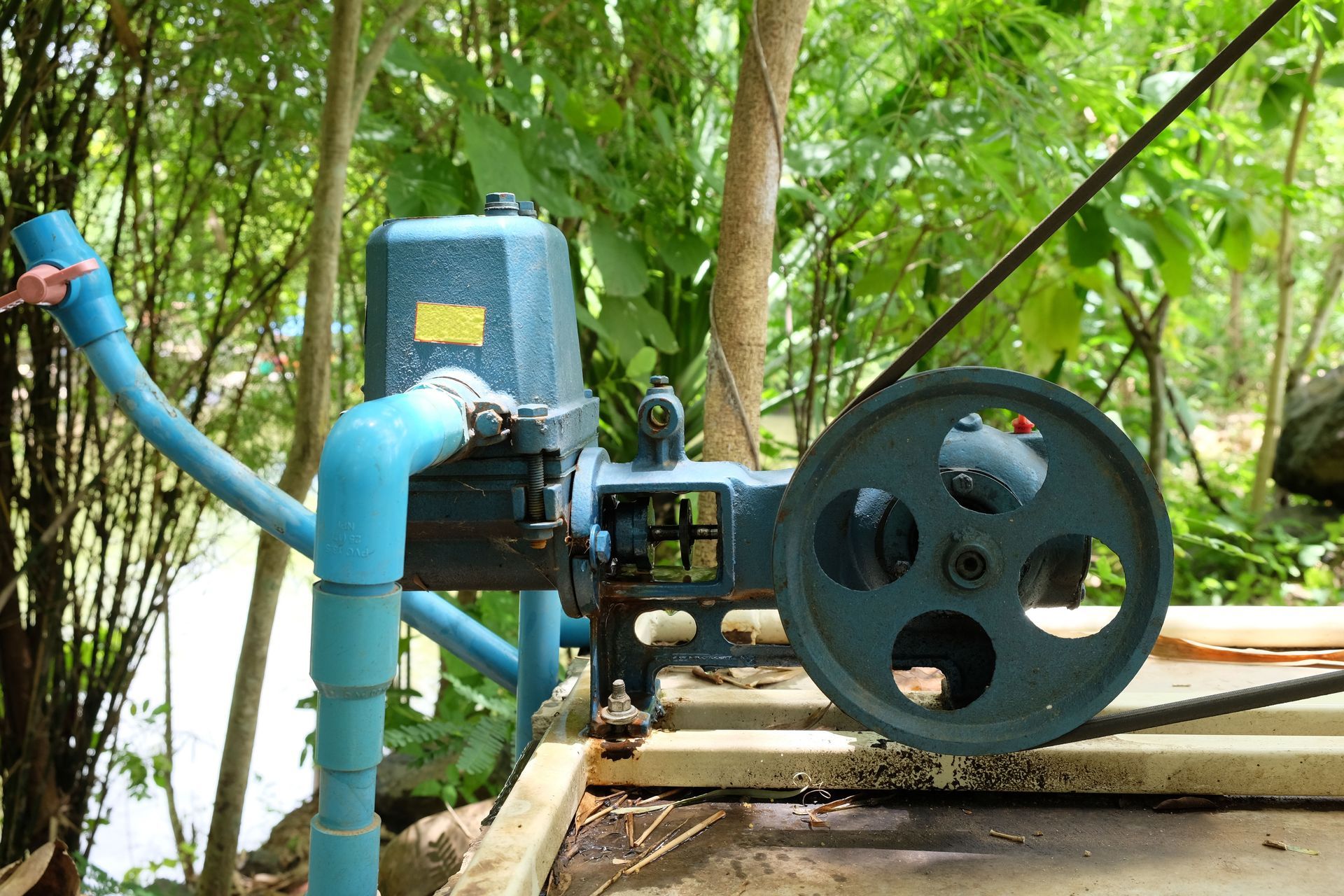
Delaying water well repairs can also lead to a reduction in water pressure, stemming from a variety of causes. Leaks in the pipe system, clogging due to debris buildup, or even pump degradation can contribute to this gradual loss of pressure. As pressure drops, it becomes increasingly difficult for water to reach its intended destinations, complicating everyday water usage. Poor pressure not only disrupts daily activities but also signals underlying issues within the system that require urgent attention. Quick resolutions can prevent more substantial damage and preserve the well's functionality.
Household Inconveniences
The ripple effects of reduced water pressure can be felt throughout a household, causing innumerable inconveniences. Low pressure means showers are less satisfying, washing machines may not fill properly, and garden hoses lack efficiency. These issues can greatly diminish the quality of life, making simple daily chores frustrating. Beyond inconvenience, there's the constant worry of whether enough pressure will be available in critical situations. Thus, maintaining optimal water pressure is key to household harmony and well-being.
Energy Consumption Increase
A less obvious but significant consequence of reduced water pressure is increased energy consumption. As systems struggle to maintain enough pressure, they often draw more power, leading to higher electricity bills. Continuous running to achieve the desired pressure can overwork pumps, further elevating the energy demand. This inefficiency is not only costly but also adds unnecessary strain to the environment by increasing the carbon footprint. Effective well maintenance that ensures consistent water pressure can thus save energy and cut costs.
3: Higher Repair Costs
Escalating Damage Over Time
One of the most predictable outcomes of delaying water well repairs is the escalation of damage over time. What might begin as a small fixable issue can quickly snowball into a larger, more complex problem, requiring extensive and expensive repair work. For example, a minor leak can lead to significant structural deterioration if left unaddressed. Often, the cost savings perceived by delaying initial repairs are eclipsed by the elevated expense required for comprehensive solutions later. Prompt attention to minor repairs helps avoid this escalation, preserving both system integrity and financial resources.
Increased Labor and Material Costs
Delays in water well repairs contribute notably to increased labor and material costs when repairs do occur. As issues worsen, the complexity of needed repairs often necessitates more skilled labor and expensive materials to rectify problems. Repair teams may need to spend more time on-site, digging deeper to access and fix problems that have been allowed to progress. Additionally, the scarcity of specific replacement parts can further drive costs up if urgent repairs are required. Addressing repairs promptly ensures labor and materials are used efficiently and economically.
Equipment Replacement Necessity
According to Forbes, the lifespan of a water well can vary significantly, ranging from 25 to 100 years based on its construction and size. In some cases, prolonged neglect can lead to such extensive damage that complete equipment overhauls become necessary much earlier than expected. Wear and tear from operating under suboptimal conditions can render pumps, tanks, and pipes unusable, mandating their replacement. Full replacement requires significant investment, despite the fact that initial issues might have required merely basic repairs. This outcome highlights the critical importance of regular well assessments and maintenance. Proactivity in equipment upkeep preserves functionality and longevity, circumventing the heavy financial burden of full-scale replacements.
4: Environmental Impact
Water Resource Depletion
Delaying water well repairs affects not only household efficiency but also environmental sustainability, leading to water resource depletion. Structural inefficiencies in wells can result in significant water wastage, a crucial resource in an era of global shortages. Often, faulty systems are less efficient, requiring more water and leading to higher consumption rates than necessary. This wastage can stress local water tables, impacting surrounding areas reliant on the same source. Effective management and prompt repairs are key to conserving water and preserving its sustainability for future generations.
Increased Energy Use
Beyond water wastage, inefficient wells can dramatically increase energy consumption due to excessive pumping requirements. Operational inefficiencies necessitate increased energy to extract and transport water, impacting both environmental resources and the financial bottom line. As consumption increases, so does the carbon footprint of households and communities, exacerbating broader climate challenges. By prioritizing regular well repairs, this energy usage can be minimized, aligning with sustainable practices that counteract environmental degradation. Efficient systems are not only economically advantageous but also ecologically responsible.
Ecosystem Harm
Negligent water well maintenance can lead to unintended harm to local ecosystems, as contaminated or excess water leaks into the environment. Pollutants from compromised wells can enter soils and aquatic systems, disturbing the delicate balance necessary for ecosystem health. Aquatic life may suffer from reduced oxygen levels and altered pH balances, leading to diminished species populations and biodiversity loss. Furthermore, agricultural areas relying on natural water sources may see productivity loss due to water contamination. Therefore, maintaining good health plays a pivotal role in preserving ecosystem equilibrium and biodiversity.
Prioritizing timely water well repairs is an essential investment that safeguards your health, your property, and the surrounding environment. By addressing minor structural or mechanical issues before they escalate, you can prevent the high costs of emergency replacements and the dangers of groundwater contamination. Ultimately, a proactive approach to well maintenance ensures a reliable, safe, and efficient water supply for your household for years to come. Ensure your water supply remains safe and efficient by contacting Okie Water Well Drilling and Services today.