August 18, 2026
Navigating the journey to property independence through a private water system requires thoughtful preparation. Selecting a professional water well drilling company makes the entire process smoother, ensuring your family enjoys clean, dependable water for years. Understanding what lies ahead empowers you to make informed decisions for your homestead.
Investing in private infrastructure provides unmatched long-term freedom from municipal utility bills and unexpected municipal rationing. However, modern underground excavation involves complex engineering, detailed geological assessment, and specialized heavy machinery. Taking time to learn key installation phases protects your real estate investment.
Every piece of land features unique subterranean characteristics that influence installation techniques, project timelines, and overall system performance. Working alongside experienced contractors ensures that every technical aspect aligns with local environmental standards and personal household demand. Proper early planning eliminates common pitfalls associated with private water development.
Planning ahead guarantees that your property receives a reliable, long-term solution that serves your household for decades. Professional assistance helps navigate complex local environmental guidelines smoothly.
Analyzing Ground Conditions
Evaluating soil composition and underlying rock layers forms the initial phase of any installation project. Underground geology varies dramatically even within small regions, directly impacting how deep contractors must excavate to reach a viable aquifer. Local hydrogeology determines the exact techniques required to complete excavation safely.
Consulting geological maps helps contractors estimate subterranean depth before heavy machinery arrives on site. A licensed water well drilling company uses these underground insights to select appropriate drill bits, casing materials, and mud fluids, ensuring structural stability throughout the excavation phase.
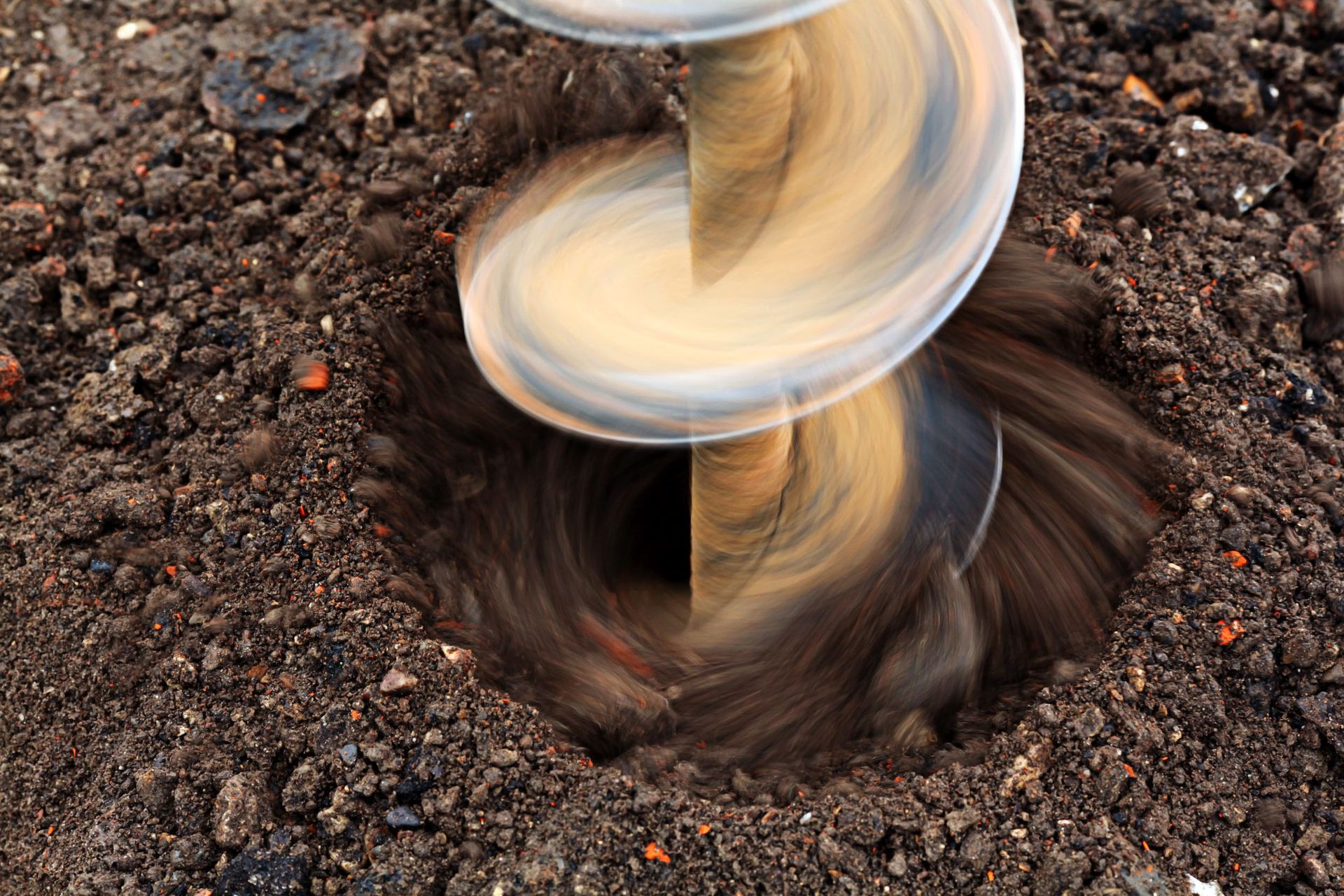
Soil density and hidden bedrock formations influence daily operational progress once digging begins. Soft clay requires protective casing to prevent collapse, while dense limestone demands high-powered rotary machinery to fracture hard stone. Professional ground analysis minimizes equipment wear and avoids costly delays.
Understanding subterranean flow paths helps identify high-yield water zones across your acreage. Aquifer depth determines not only construction duration but also long-term water purity and seasonal reliability. Careful evaluation ensures your household receives continuous supply during dry periods.
Evaluating local soil hydrology reduces unnecessary risks during excavation work. Identifying potential contamination risks early protects your family from compromised water quality.
Obtaining Necessary Permits
Securing correct legal authorization prevents costly delays and zoning violations. Municipalities enforce specific setback rules regarding where you can place a subterranean system relative to property boundaries, septic drain fields, structures, and overhead power utilities. Compliance protects local groundwater resources from surface contamination.
Filing paperwork requires detailed site diagrams, environmental impact statements, and technical construction plans. A seasoned water well drilling company typically handles this bureaucratic process on your behalf, ensuring all documentation aligns with state, county, and local environmental health standards.
Permitting timelines vary depending on local government workload and specific regional environmental protections. Initiating permit applications early prevents project bottlenecks and allows contractors to schedule excavation work efficiently. Proper documentation also protects property resale value down the road.
Failure to secure required permits leads to substantial fines or mandatory closure of unapproved excavations. Working within established regulatory frameworks ensures long-term operational legality. Professional contractors maintain ongoing relationships with local health departments to streamline approvals smoothly.
Proper permits protect your property rights during future land transactions. Local government oversight ensures your installation meets strict health standards.
Budgeting Project Costs
Determining total expenditures involves looking beyond the initial excavation phase. Overall investment depends heavily on underground terrain difficulty, required piping materials, labor hours, and total depth necessary to access clean, continuous water reserves.
Planning for additional expenses like water purity testing, filtration equipment, electrical hookups, and pressure storage tanks keeps your finances on track. Requesting comprehensive estimates from a reputable water well drilling company prevents unexpected financial surprises during active site construction.
Subterranean unpredictability means depth estimates remain educated approximations until active digging occurs. Allocating a modest contingency fund covers potential extra footage or specialized casing if initial layers prove unstable. Financial preparedness ensures seamless project completion without unnecessary delays.
Evaluating long-term operating expenses helps determine total return on investment compared to public utility rates. High-efficiency pumping systems reduce monthly electricity usage, lowering ownership costs over time. Quality materials installed correctly minimize future repair expenses and extend system lifespan.
Understanding full project costs avoids financial stress during ongoing excavation work. Detailed quotes ensure complete transparency across every construction phase.
Selecting Equipment Options
Choosing appropriate pumping systems ensures consistent flow throughout your household. System selection depends directly on subterranean depth, daily consumption needs, and required system pressure. Selecting durable components protects your investment against frequent mechanical failures.
- Jet pumps work best for shallow applications closer to the surface.
- Submersible options handle deeper subterranean sources efficiently.
- Variable speed motors assist in maintaining steady household pressure.
According to This Old House, submersible pumps can be used in wells up to 300 feet deep. Discussing these mechanical options with a water well drilling company guarantees your system runs smoothly and meets household demand.
Matching pump horsepower to actual usage prevents energy waste and equipment strain. Oversized pumps cyclically trigger unnecessarily, while undersized units struggle during peak usage hours. Experienced technicians calculate exact head pressure to optimize pump selection.
Storage tanks maintain consistent delivery pressure while reducing direct wear on mechanical components. Installing modern control valves and monitoring systems provides early detection of electrical or mechanical issues. Reliable equipment choices deliver worry-free operation year after year.
Preparing Installation Sites
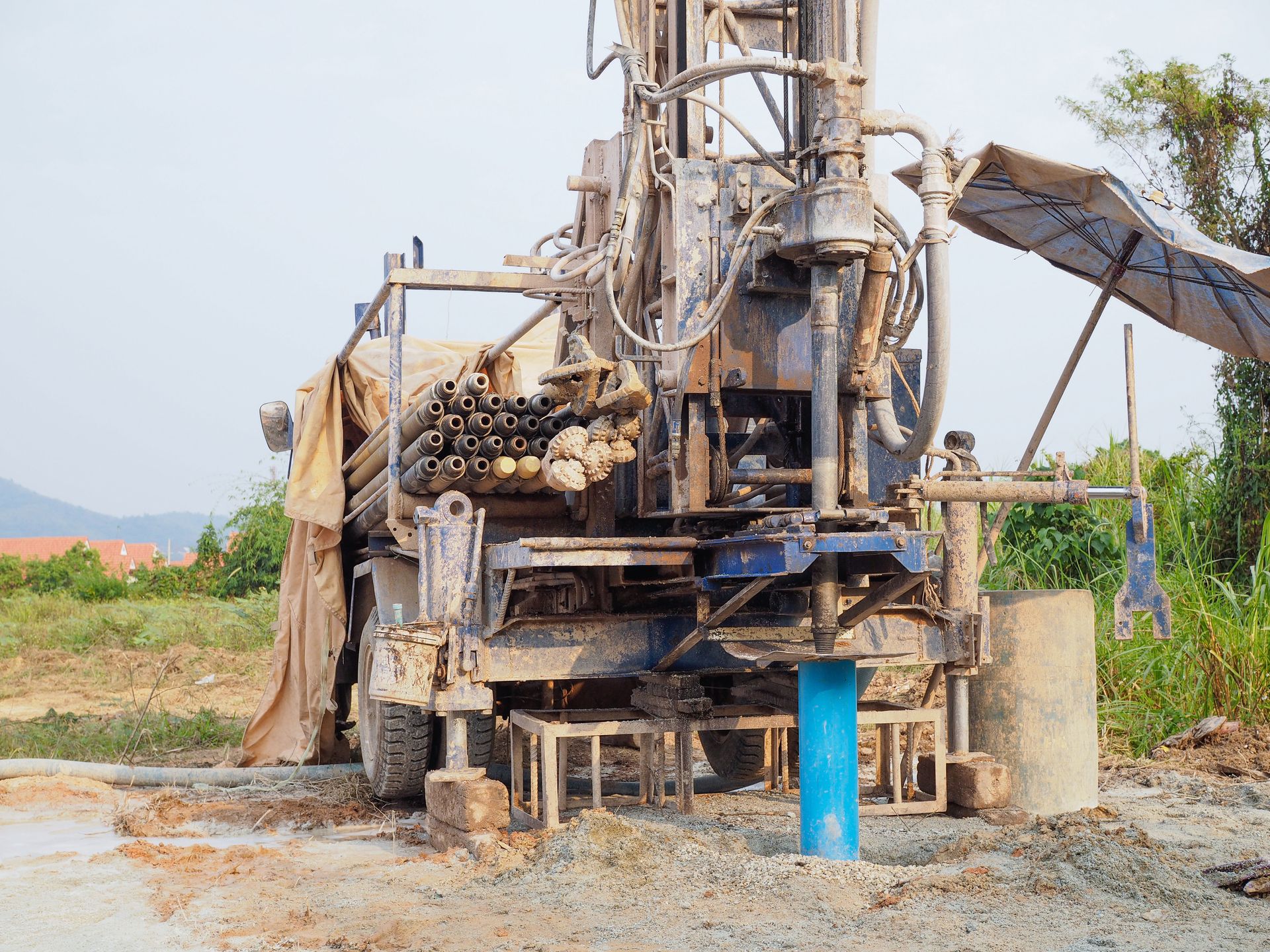
Clearing heavy brush and creating wide driveway access allows massive machinery onto your property without damaging surrounding landscapes. Heavy rigs require stable, level ground to operate safely during intense drilling operations. Site preparation should occur days before heavy trucks arrive.
Notifying neighbors about upcoming noise helps maintain good community relations during construction. A courteous water well drilling company works efficiently to minimize site disruption while setting up heavy equipment on your land, keeping work areas tidy and safe.
Identifying buried electrical cables, gas lines, and irrigation pipes prevents hazardous accidents during excavation. Professional contractors coordinate with local utility locator services before driving heavy stakes or positioning drill rigs over designated excavation spots.
Managing slurry runoff during active operations keeps nearby topsoil clean and organized. Designated mud pits contain drilling fluids and displaced earth, making post-installation cleanup much simpler.
Proper site access prevents unnecessary delay when heavy trucks arrive. A clean workspace ensures machinery operates without spatial interference.
Establishing Maintenance Routines
Scheduling regular inspections protects your long-term investment from unexpected mechanical failures. Routine checks identify minor issues before they transform into major system outages or expensive emergency repairs. Preventive care preserves system efficiency and maintains pure water output.
- Testing water clarity and bacterial content annually preserves health.
- Inspecting mechanical pressure tanks prevents premature pump wear.
Partnering with a reliable water well drilling company ensures you have expert guidance whenever routine service or emergency maintenance becomes necessary. Established contractor relationships simplify system servicing throughout the life of your home.
Monitoring electrical control boxes guards against power surge damage and mechanical failure. Simple physical checks catch worn wiring or faulty pressure switches early.
Documenting system depth, flow rate, and pump specifications creates a valuable reference log for future technicians. Keeping clear records makes routine servicing faster and more cost-effective over time.
Maintaining clear service records helps troubleshoot sudden mechanical problems quickly. Regular testing guards your household against unexpected purity issues.
Ready to secure a clean, reliable, and independent water supply for your property? Contact Okie Water Well Drilling and Services today to schedule your expert consultation and start planning your installation!