August 3, 2026
Choosing the right well pump is one of the most important decisions for maintaining a dependable private water supply. The pump you install affects everything from daily water pressure to long-term maintenance costs and overall system performance. Understanding the differences between common pump types helps homeowners make informed decisions based on their property's specific needs rather than relying on assumptions.
Whether you are installing a new well system or replacing aging equipment, water well pump installation requires careful planning and professional evaluation. Factors such as well depth, household water demand, water quality, and local conditions all influence which pump will provide the most reliable service for years to come. Taking time to understand these considerations before work begins can help prevent costly adjustments later and ensure your investment delivers dependable performance for many years.
Understanding How Jet and Submersible Pumps Operate
How Jet Pumps Move Water
Jet pumps are commonly installed for shallow wells and use suction to pull water toward the surface. Unlike pumps placed inside the well, these units remain above ground, making them easier to access for routine inspections and maintenance. They rely on pressure differences to move water from the well into the home's plumbing system.
Many homeowners appreciate the accessibility of jet pumps because repairs or servicing typically require less effort than working with equipment installed underground. However, these systems perform best within specific depth limitations, making them more suitable for properties with relatively shallow wells. With proper water well pump installation, they can provide years of dependable service while supplying consistent water for everyday household activities such as cooking, bathing, cleaning, and outdoor watering.
How Submersible Pumps Work Below Ground
Submersible pumps operate differently because the entire unit is installed beneath the water level inside the well casing. Instead of pulling water upward, the pump pushes water toward the surface. This design often provides smooth, consistent delivery while protecting the equipment from many environmental conditions above ground.
According to This Old House, submersible pumps are suitable for wells reaching depths of up to 300 feet, making them an excellent choice for many deeper residential wells. Their placement below the water surface also allows them to remain primed throughout normal operation. Because they are positioned within the well, they generally operate more quietly than above-ground systems and can provide reliable performance even during periods of higher household water demand.
Comparing Daily Performance
Both pump styles can provide dependable household water when properly selected and installed. A jet pump may work very well for a shallower well with moderate water usage, while a submersible pump often delivers more consistent performance for deeper water sources or households with higher demand.
Professional water well pump installation begins with evaluating the property's well depth, expected water consumption, and overall system requirements. Selecting the proper pump from the beginning helps reduce unnecessary wear while providing reliable water pressure throughout the home. A thorough evaluation also helps ensure the equipment is compatible with the well's production capacity, preventing avoidable performance issues after installation is complete.
Choosing the Right Pump for Your Property
Well Depth Plays a Major Role
One of the biggest factors in pump selection is well depth. Every well has unique characteristics, and the pump must match those conditions to perform efficiently. Installing equipment designed for the wrong depth can lead to poor water pressure, unnecessary cycling, and increased strain on system components.
Professionals carefully evaluate static water levels, pumping levels, and recovery rates before recommending equipment. These measurements help determine whether a jet or submersible system will provide the best long-term performance. Considering these details before installation helps create a balanced system that performs consistently during both normal and peak household water usage.
Household Water Demand Matters
Every household uses water differently. Families with multiple bathrooms, irrigation systems, laundry appliances, or outdoor water needs often require greater pumping capacity than smaller households. Choosing equipment that matches actual demand helps maintain steady water pressure throughout normal daily activities.
Proper water well pump installation includes sizing the pump according to both the well's production capacity and the property's expected water usage. Matching pump output to realistic demand helps reduce frequent cycling, supports longer equipment life, and provides dependable water flow during busy periods. It also helps prevent frustrating drops in water pressure when several fixtures or appliances are being used at the same time.
Supporting Equipment Improves Performance
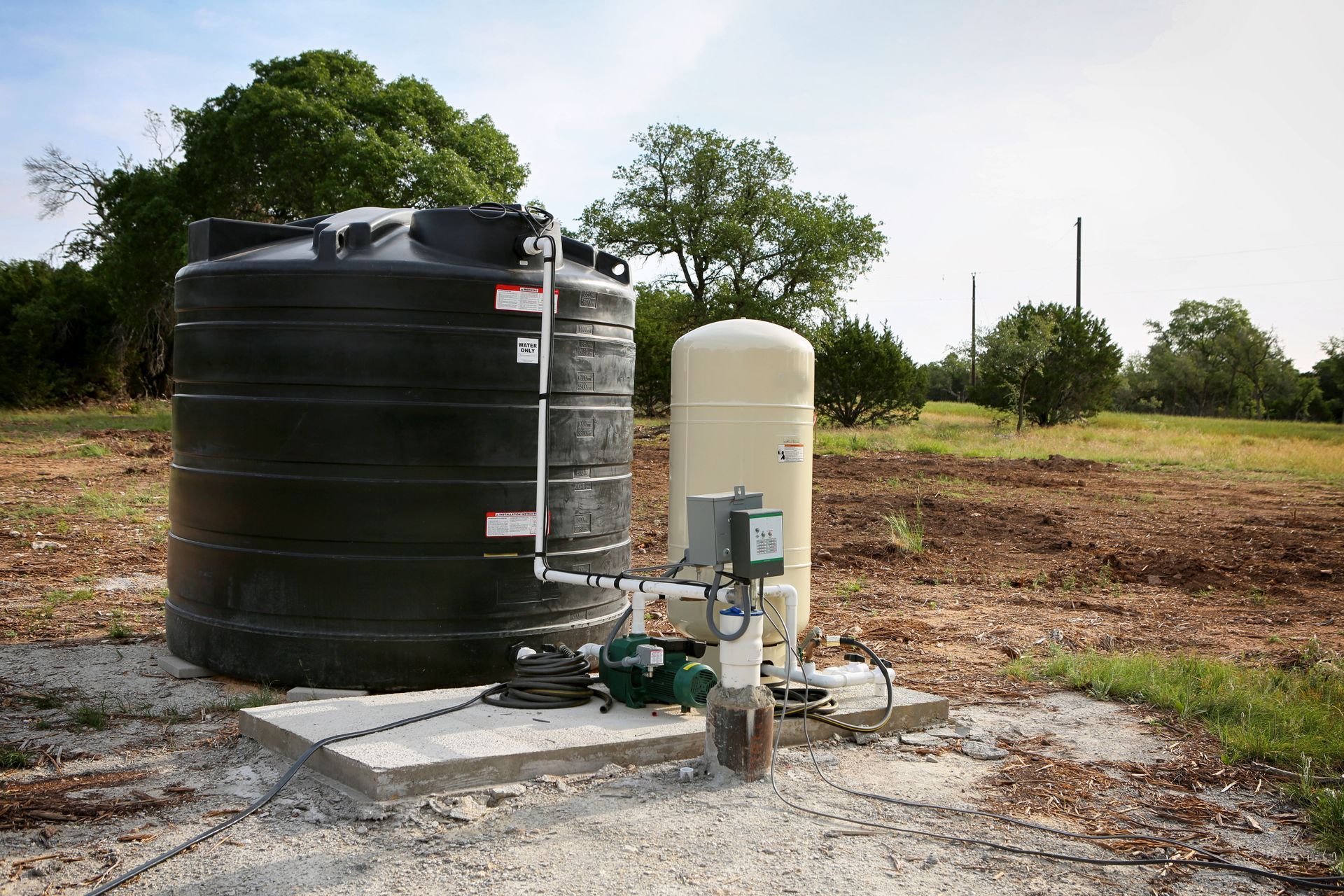
The pump itself represents only one part of a complete well system. Pressure tanks, control switches, piping, and other supporting components all contribute to overall performance. When these parts work together correctly, the system operates more efficiently and experiences less unnecessary stress.
A properly sized pressure tank helps maintain consistent pressure while reducing repeated starts and stops. Careful system design also minimizes interruptions during periods of heavier household water use, allowing the entire installation to function more smoothly over time. Routine inspections of these supporting components can also identify small issues before they develop into more significant repairs.
Recognizing Why Professional Installation Makes a Difference
Proper Installation Protects the Entire System
Installing a well pump involves much more than placing equipment into service. Every connection, electrical component, and plumbing connection must be completed correctly to protect both the pump and the well itself. Even small installation errors can affect water pressure, equipment longevity, or system reliability.
Professional water well pump installation helps ensure every component is properly connected, securely installed, and thoroughly tested before the system begins regular operation. Careful installation also helps reduce contamination risks while supporting dependable water delivery. Experienced installers also verify that every component is functioning correctly before the project is completed, giving homeowners greater confidence in the finished system.
Accurate Sizing Reduces Future Problems
Oversized and undersized pumps can both create unnecessary challenges. A pump that is too large may cycle on and off too frequently, while an undersized pump may struggle to keep up with household demand. Either situation can increase wear on equipment and shorten its service life.
Experienced installers evaluate well characteristics, household usage patterns, and pressure requirements before recommending equipment. This detailed assessment helps ensure the selected pump operates efficiently while supporting consistent performance throughout changing daily demands. Proper sizing also contributes to more predictable water pressure and helps minimize unnecessary strain on system components over the years.
Long-Term Reliability Starts With Expert Planning
Reliable water service depends on much more than selecting a quality pump. Careful planning, proper sizing, thorough testing, and attention to installation details all contribute to dependable long-term performance. Experienced professionals also consider factors such as pressure tank sizing, system layout, and future maintenance accessibility when designing a complete installation.
Investing in professional water well pump installation helps homeowners enjoy steady water pressure, dependable operation, and greater confidence that their system is built to support everyday needs for years to come. Professional guidance can also make future maintenance easier by ensuring every part of the system is installed according to the property's specific requirements and water usage patterns.
Jet pumps and submersible pumps each serve valuable roles, but the right choice depends on your property's well depth, water demand, and overall system requirements. Understanding how each option works allows homeowners to make informed decisions that support reliable water access while minimizing unnecessary maintenance and equipment strain.
Whether you are replacing an older system or planning a new water well pump installation, working with knowledgeable professionals helps ensure every component is properly matched to your property's needs. From selecting the appropriate pump to carefully sizing the entire system, expert installation provides the dependable performance and consistent water supply every homeowner expects. Reach out to Okie Water Well Drilling and Services for professional water well service you can rely on!