October 12, 2026
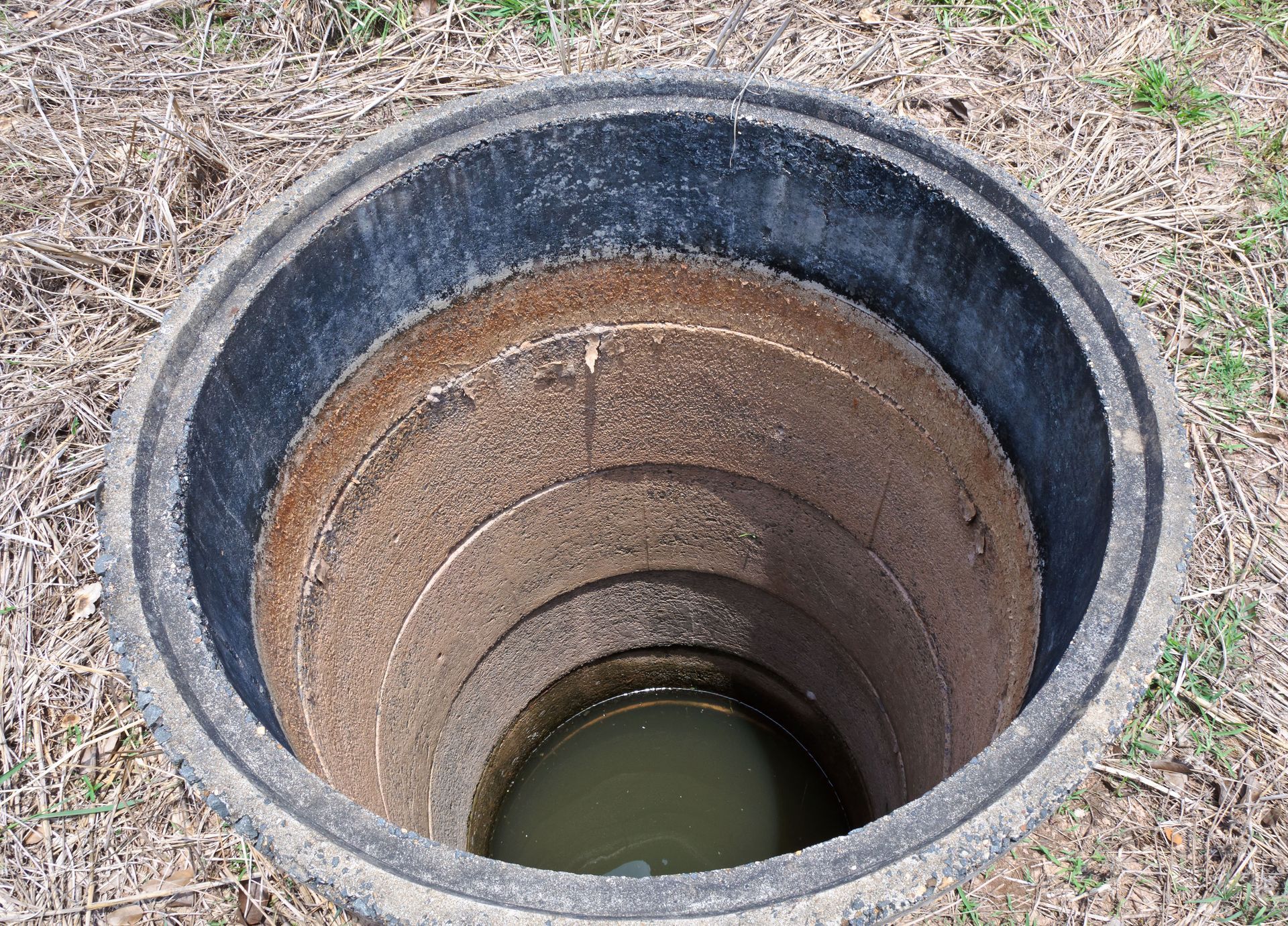
Purchasing a rural property can offer privacy, space, and a quieter lifestyle, but it can also come with systems that require closer attention than those found in many suburban homes. A private well is one of the most important systems because it supplies water for drinking, cooking, cleaning, and other daily needs. Before completing a purchase, a professional inspection can help buyers understand the condition, safety, and reliability of the property's water system.
Protecting Health and Water Quality
For many rural homeowners, a private well is the primary source of household water, making its condition an important health consideration. According to the EPA, it's estimated that more than 13 million households rely on private wells for drinking water in the U.S. Contaminants such as bacteria, nitrates, and certain metals may affect well water without producing noticeable changes in its appearance, smell, or taste.
A professional inspection can identify potential sources of contamination and determine whether additional water testing is appropriate. The inspection may also uncover problems with the well casing, cap, seals, or surrounding area that could allow contaminants to enter the water supply. Identifying these concerns before purchasing gives buyers a better understanding of the property's water system and any issues that may require attention.
Evaluating the Well's Physical Condition
The physical condition of a well can provide important information about how reliably it may serve the property. Inspectors can evaluate components such as the casing, well cap, seals, pump, pressure tank, and related equipment for signs of deterioration or malfunction. These evaluations can reveal problems that may otherwise remain unnoticed until the system experiences a failure.
The age of the well is another factor worth considering when evaluating a rural property. Older systems may contain worn components or outdated features that require upgrades to meet current expectations or local requirements. Working with experienced well installing companies can help buyers better understand whether an existing system is suitable for the property or may eventually need significant work.
Checking Water Flow and Pressure
Water quality is only one consideration when evaluating a private well. A system also needs to deliver an adequate supply of water at a consistent pressure for the property's occupants and fixtures. An inspection can assess the system's performance and identify potential concerns involving the pump, pressure tank, or other components.
Poor flow or inconsistent pressure may indicate an underlying mechanical or well-related problem. These issues can affect everything from showers and faucets to appliances that depend on a dependable water supply. Understanding the system's performance before purchasing can help buyers account for potential repairs or improvements when evaluating the property.
Understanding Maintenance and Future Costs
A well inspection can also help buyers anticipate future ownership expenses. Even when a system is currently operating, certain components may be approaching the end of their useful service life or showing signs of wear. Knowing about these conditions before closing can make it easier to plan for maintenance and avoid unexpected financial surprises.
Well-related expenses can vary significantly depending on the age, condition, and design of the system. A professional evaluation provides useful information about whether immediate attention is needed or whether routine monitoring is more appropriate. Buyers can also consult well installing companies when they need professional guidance about installation, replacement, or improvements to a property's water system.
Reviewing Local Requirements
Private wells can be subject to state, county, or local requirements concerning construction, location, abandonment, water quality, and other considerations. These requirements can vary considerably depending on where a rural property is located. Reviewing the well as part of the property purchase can help identify potential compliance concerns before ownership changes hands.
An inspection may also uncover features that do not align with current standards, particularly on properties with older wells. Buyers should understand that an existing system may have been installed under requirements that differed from those in place today. Professional well installing companies can provide useful insight when a property requires a new well or when an existing system needs to be evaluated against current expectations.
Identifying Problems With Older Wells
Older rural properties may have wells that have been operating for decades. While age alone does not necessarily mean a well is unsuitable, older equipment can be more susceptible to corrosion, deterioration, mechanical wear, and other problems. An inspection can help distinguish between a system that remains dependable and one that may require substantial investment.
Older wells may also have components that are no longer commonly used or readily available. If replacement parts are difficult to source, future repairs could become more complicated or expensive. Discussing these considerations with well installing companies can help buyers understand their options if replacement or significant modernization becomes necessary.
Considering the Surrounding Property
A well should not be evaluated in isolation from the land around it. Nearby septic systems, agricultural activity, drainage patterns, fuel storage, and other potential contamination sources can influence the condition of groundwater. An inspection provides an opportunity to consider whether the well's location and surrounding conditions create concerns for the property's water supply.
Changes to the surrounding property can also affect a well over time. New construction, altered drainage, landscaping changes, or other land-use changes may influence groundwater conditions or access to the well. Understanding these factors before purchasing allows buyers to make a more informed assessment of the property's long-term water supply.
Supporting the Property Purchase Decision
A well inspection is an important part of evaluating the overall condition of a rural property. The findings can help buyers understand whether the water system appears dependable, whether additional testing is warranted, and whether potential expenses should be considered during negotiations. This information can be particularly valuable when purchasing a property where the well is the primary source of household water.
A professional inspection can also help buyers determine whether an existing well is likely to meet the property's needs or whether significant work may be necessary. Consulting experienced well installing companies can provide additional insight into installation requirements, system capacity, and potential replacement considerations. This information can be especially valuable when purchasing an older rural property with an unfamiliar water system.
Inspection results can also provide greater confidence when comparing multiple rural properties. A property with a documented, well-maintained water system may present fewer immediate concerns than one with unknown well conditions. When significant problems are discovered, buyers have more information available when deciding whether to negotiate repairs, adjust an offer, or reconsider the purchase.
Planning for Reliable Rural Water
A dependable water supply is one of the most important features of any rural home. Professional inspections help buyers understand the condition of the well and the equipment responsible for delivering water throughout the property. They can also reveal issues that might otherwise become costly problems after the purchase.
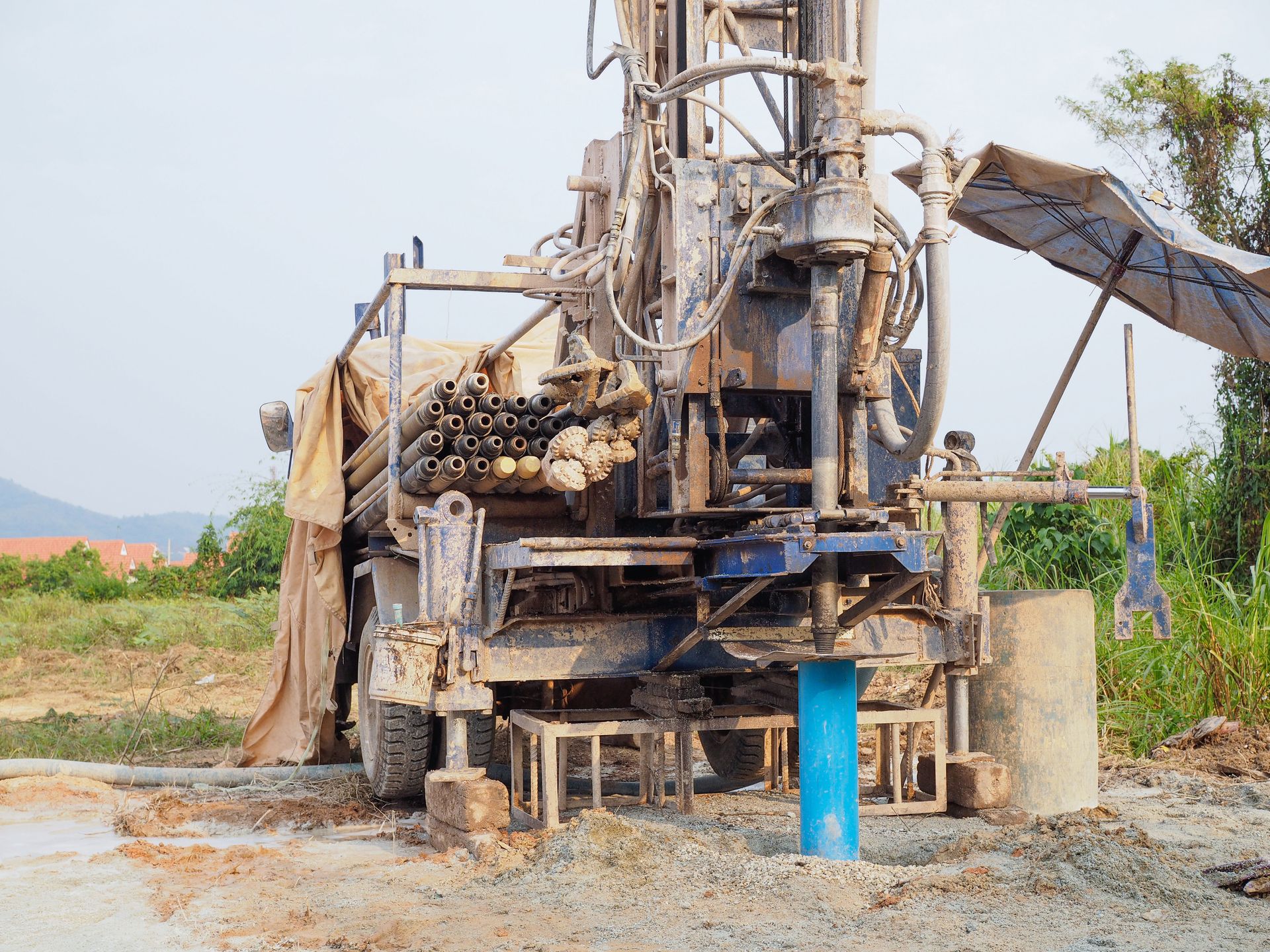
When a well needs replacement, expansion, or substantial improvements, qualified well installing companies can assess the property and determine what type of system may be appropriate. Professional services can also help property owners understand the factors that influence well performance and long-term reliability. Taking these concerns seriously before purchasing can help protect both the household and the value of the property.
Buying a rural property is a major investment, and understanding its water supply should be an important part of the decision. A professional well inspection can reveal concerns involving water quality, equipment, structural condition, performance, and potential future expenses. Addressing these questions before closing can provide valuable information and help buyers make a more confident decision.
If you are purchasing rural property or need professional assistance with a private well, contact Okie Water Well Drilling and Services. Their experience with well installation and water systems can help property owners better understand their options and maintain a dependable water supply for years to come. Experienced well installing companies can also help address installation and replacement needs when an existing system is no longer adequate.